My research projects are diverse, focusing on the ways that the physical and digital built environment impact our choices and perceptions of health. Culture and society profoundly impact our sense of self, what it means to be healthy, and how we view our physical landscape and its modifications. Despite their differences all of these lines of research reflect a feminist landscape analysis perspective, treating the built environment as an influencing factor on the self and society.


Historical Archaeology Research on Pharmacy and History
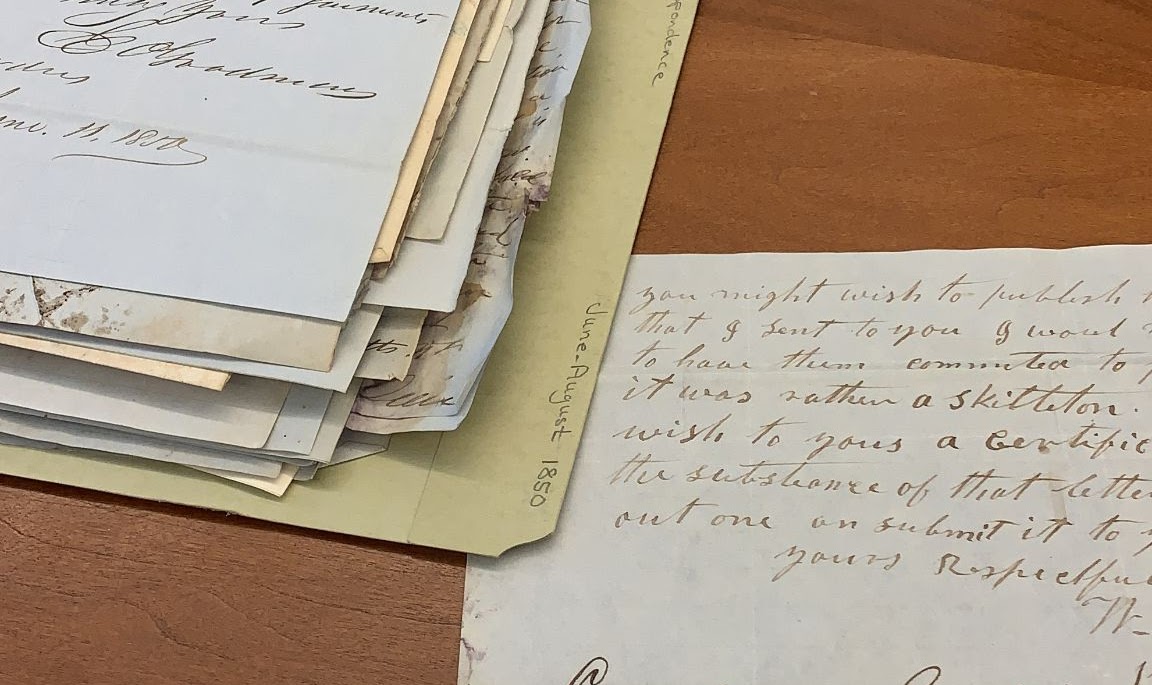
I study patent medicine and consumer studies, particularly in Springfield Illinois. I focus my questions on how the rise of advertising and ‘the death of expertise’ led to the booming patent medicine market during the Gilded Age and what type of impact culture and tradition had on consumer choice. By using a large-scale data-based analysis of information from multiple archaeological sites in Springfield, Illinois, I closely examine how members of that community kept pace with national and global trends in medicine and advertising. This research acknowledges the need for a greater understanding of how advertisements and consumer trends impact the purchase of medicine both in past and present contexts.
My research focuses on understanding how the social dynamics within the town, market structures, and consumer preferences helped to shape the transformation of healthcare. My project utilizes archaeological artifact assemblages of Springfield, Illinois at a series of household sites across the city. Data from eight households across three major archaeological excavation sites throughout the city includes Polish, German, Irish, and Portuguese immigrants, data from lower- and upper-class areas, and the Lincoln Home National Historic Site (LHNHS), including data from the Lincoln house itself. My analyses also address the extent to which need and access drive consumer perceptions and purchasing choices, and how ideas about brand efficacy, the failings of healthcare, traditional folk cures, and marketing impact the purchasing process.
Alaska Social-Environmental Systems Project (AkSES)
The Alaska Social-Environmental Systems Project (AkSES) seeks to understand how ongoing climate change will affect rural communities in Alaska under various Representative Controlled Pathway models (RCPs) representing the future of carbon emissions. We model how thawing permafrost increases risks for communities from environmental hazards, infrastructure damage, and thawing historical cemeteries from past epidemics using GIS, remote sensing methodologies, and multivariate statistics. This project prioritizes multiple forms of data use including public climate data and climate projections, archival and historical primary source data, as well as community created data. To find out more: https://arcg.is/jru1v
Digital Landscapes as Sites of Education and Outreach
Current digital tools and social media provide a near constant stream of data to users across the globe. While the trustworthiness of this data may be suspect, communication mediums such as internet memes and Tumblr blog posts saturate common search results. Social media networks such as Tumblr rely on users to self-police the content, allowing reductionist and incorrect ideas about health and history. Using an anthropological lens I examine how ideas gain traction and circulate in digital environments and the way social forces enable or hinder the spread of these ideas or information.
 Emma L. Verstraete